
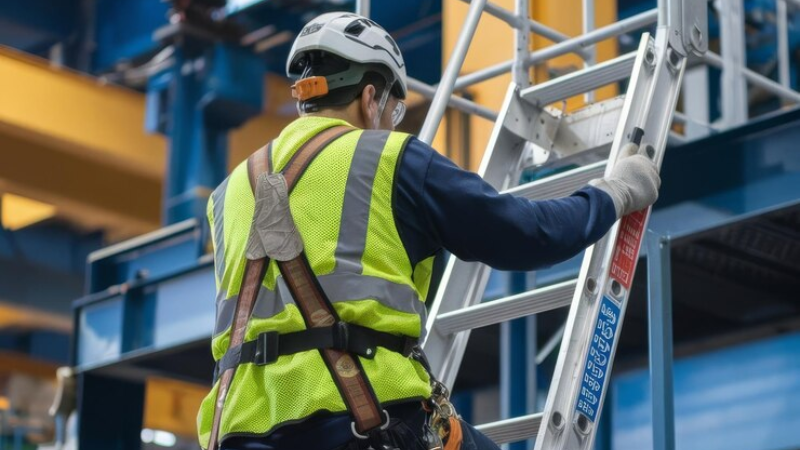
In busy industrial environments, where workers deal with heights daily, keeping everyone safe tops the list of concerns. A factory, warehouse, and building site are buzzing with activity, and a simple key like a ladder can either smooth things through or end up with a serious accident. Falling from heights is amongst the utmost common workplace injuries lot of times leading to loss of workdays or worse. Steel ladders channel their way to this arena as strong and provided with features to eliminate or reduce mishaps.
Understanding the Risks in Industrial Settings
Picture a day in a manufacturing plant. Machines hum, conveyor belts roll, and various operations involve climbing to check equipment or pick a few supplies from high shelves. Ladders get used constantly, but not all are made the same. Oil spills from neighbouring benches create slippery floors, or some uneven ground could be a hazard itself. Reports show that ladder-related falls cause thousands of injuries annually, with many being due to either unstable equipment or poor design.
What makes these risks so prevalent? For starters, portable ladders might shift if not secured properly. In crowded spaces, workers sometimes rush and skip safety checks. Harsh conditions like moisture or chemicals speed up degradation in lesser materials. Steel ladders address these issues head-on by providing a solid foundation that withstands daily demands. Their heft helps them stay put, reducing the chance of tipping. Plus, with built-in grips and rails, they encourage proper climbing techniques, like maintaining three points of contact.
The Strength of Steel: Material Benefits
Steel is tough. While wood splinters or aluminium dents easily, steel undergoes stresses and refuses to yield. Such durability is important in industrial settings where a ladder carries tools, parts, persons, and at times even the heavy weight of numerous persons. Steel can bear a few hundred pounds without bending, thus ensuring utmost confidence to the workers while climbing.
Another advantageous property is that it guarantees stability. The weight of the material keeps the ladder firmly planted, especially if it stands on concrete. Have you noticed lighter ones jiggle with the wind? No drama there with steel, and hence, an apt choice for open sites such as shipyards or refineries. Coatings such as galvanisation repel rust so that the ladder stays strong in damp and corrosive environments. Of course, preventing corrosion ensures that replacements will be fewer in number and safety is assured throughout the lifespan of the ladder.
Steel also handles extreme temperatures better than some alternatives. In hot foundries or cold storage units, it doesn’t warp or become brittle, maintaining its shape for safe use. When paired with anti-slip treatments, steel ladders turn potential danger zones into secure access points.
Essential Safety Features Built In
Modern steel ladders pack a punch with features tailored for protection. Take the rungs: often serrated or textured with materials like Grip Strut, they offer firm footing even when wet or greasy. This design drains away liquids, cutting down on slips that plague smooth-rung options.
Handrails extend along the sides and sometimes at the top, providing extra support during climbs. For fixed models, walk-through rails make transitioning to a platform smoother, avoiding awkward dismounts. Locking systems on extension types keep sections secure, preventing collapses mid-use. Safety feet with rubber pads grip the ground, while side rails offer balance.
For taller setups, cages or fall arrest systems come into play. These enclosures prevent backward falls, and harness attachments stop drops in their tracks. In environments with overhead hazards, like falling debris, steel’s robustness shields climbers better. Add in reflective strips for low-light visibility, and these ladders become all-around guardians.
Types of Steel Ladders for Varied Needs
Not every job calls for the same ladder. Fixed steel ladders bolt permanently to walls or structures, perfect for routine access to mezzanines or roofs. They eliminate setup time and stay ready, reducing errors from improper positioning. In warehouses, rolling steel ladders with lockable wheels combine mobility and steadiness – roll to the spot, lock in, and climb safely.
Portable step ladders in steel suit maintenance tasks, folding away when done. Extension versions reach higher, with secure locks for stability. Platform ladders provide a wide standing area, ideal for prolonged work like inspections, complete with guardrails to prevent edgeside tumbles. Stainless steel variants excel in sanitary or corrosive settings, like food plants or chemical facilities, where regular steel might falter.
Each type adapts to specific risks, ensuring workers pick the right tool for the job.
Meeting Safety Standards and Regulations
Rules keep things in check, and steel ladders often lead the way in compliance. Bodies like OSHA outline requirements for load capacity, rung spacing, and fall protection. For instance, fixed ladders over 24 feet now need personal fall arrest systems instead of old cages, a shift that steel designs accommodate well.
ANSI standards push for durable construction, and steel meets these with ease. Certifications confirm that ladders can handle rated weights – think Type IA for extra heavy duty at 300 pounds or more. Labels on the ladders guide proper use, while features like clearance from walls prevent pinching hazards.
Companies using compliant steel ladders avoid fines and build trust. Training ties in, teaching inspections and setup, turning regulations into everyday habits.
Practical Uses Across Industries
Steel ladders fit seamlessly into various sectors. In warehouses, rolling models speed up stock picking, with platforms allowing safe handling of boxes. Factories rely on fixed ones for machine access, where stability during repairs prevents mishaps.
Construction crews favour portable steel for its strength on rugged sites, supporting workers with gear. Oil rigs use corrosion-resistant versions to withstand salty air, ensuring escape routes stay viable. Food processing plants opt for stainless steel to meet hygiene rules, with easy-clean surfaces adding to safety.
Even in utilities, steel ladders aid inspections of poles or vaults, their fire resistance proving vital in emergencies. These applications show versatility, always with safety at the core.
Keeping Ladders Safe Through Maintenance
A ladder only stays safe if cared for properly. Regular checks spot issues like bent rungs or loose bolts early. Clean off grime to maintain grips, and store in dry spots to dodge rust.
For coated steel, touch up scratches to block corrosion. Test locks and wheels on rolling types, replacing worn parts without delay. Workers trained in these routines extend ladder life, keeping risks low.
Simple habits, like avoiding overloads or harsh chemicals, pay off big in preventing breakdowns.
Steel vs. Other Materials: A Fair Look
Steel holds its own against competitors wood warps and rots, unfit for wet areas. Aluminium is lighter and rust-proof naturally, great for outdoors, but it conducts electricity and bends under impact. An aluminium ladder is often chosen for home or light industrial use because it’s easy to carry and convenient for quick tasks. Fibreglass resists shocks but cracks over time. Steel’s edge? Unmatched strength and stability, though heavier, which aids grounding. In tough spots, steel wins for longevity, especially with treatments.
Looking Ahead: Innovations in Steel Ladders
Tech brings exciting changes. Lighter steel alloys cut weight without losing power. Sensors could warn of instability, while eco-coatings reduce harm.
Modular builds allow custom fits, enhancing safety further. As rules evolve, steel adapts, staying a staple.
Final Thoughts on Safer Workplaces
Steel ladders transform industrial safety, from sturdy builds to smart features that curb falls. They fit diverse needs, comply with rules, and prove reliable in action. Embracing them creates environments where workers thrive without fear.
For top-notch steel ladders built for these benefits, turn to Allfold.