
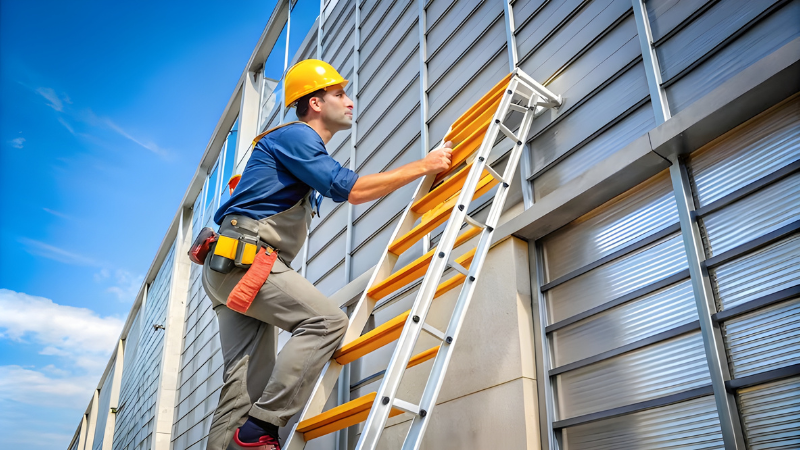
Imagine a busy warehouse where workers reach high shelves every day. Or a construction site with teams climbing to install fixtures. In these places, one tool stands out for keeping everyone safe: the industrial ladder. This simple yet vital piece of equipment prevents falls and injuries. It supports tasks that happen above ground level. Without it, risks skyrocket.
Workplace safety matters a lot. Falls cause many accidents each year. Statistics show that ladder-related incidents lead to thousands of injuries. Proper ladders help avoid these problems. They provide stability and support. This blog explores why industrial ladders play such a key role in safety. Readers will learn about their features, benefits, and best practices.
The Role of Ladders in Daily Operations
Ladders appear in many industries. Factories use them for maintenance. Warehouses rely on them for stocking. Construction sites need them for building. Even offices sometimes require ladders for simple fixes like changing lights.
These tools make high-reach jobs possible. Workers can access areas safely. Without ladders, people might use unsafe alternatives. Chairs or boxes often lead to slips. Industrial ladders offer a better way. They come designed for heavy use.
Think about a mechanic fixing a machine overhead. A sturdy ladder keeps its balance. It reduces strain on the body. Safety starts with the right equipment.
Understanding Different Types of Industrial Ladders
Not all ladders suit every job. Step ladders work well for short tasks. They fold easily and stand alone. Extension ladders reach higher spots. They adjust in length.
Platform ladders give extra space to stand. Rolling ladders move around warehouses. Each type serves a purpose. Choosing the correct one boosts safety.
Materials matter too. Aluminium ladders resist rust. They feel light to carry. Fibreglass ones handle electricity better. They suit outdoor or wet areas.
Wooden ladders offer strength but need care. They can splinter over time. Modern options include safety features like non-slip feet.
Key Features That Enhance Safety
Good industrial ladders include smart designs. Anti-slip rungs prevent foot slides. Wide bases add stability. Some have handrails for grip.
Locking mechanisms keep sections secure. Weight ratings show load limits. Exceeding them causes failures.
Cages or guards protect on tall ladders. These extras stop backwards falls. Bright colours make ladders visible. This avoids trips in busy spots.
Regular checks spot wear. Cracks or bends signal replacement time. Safe ladders save lives.
Common Ladder-Related Accidents and How to Prevent Them
Accidents happen when rules get ignored. Overreaching causes tips. Uneven ground leads to wobbles. Carrying tools while climbing adds danger.
Prevention starts with training. Workers learn proper setup. Always face the ladder. Use three points of contact.
Inspect before use. Look for damage. Clean rungs from debris. Set at the right angle. For extension ladders, follow the 4-to-1 rule.
Secure the top if possible. Tie off to stable points. Avoid electrical lines. These steps cut risks.
The Impact of Ladders on Productivity
Safe workers perform better. Fewer injuries mean less downtime. Teams stay on schedule.
Ladders speed up tasks. Quick access to heights saves time. No need for scaffolds on small jobs.
Happy employees feel secure. They focus on work. Safety tools like ladders build trust.
Businesses save money, too. Lower medical costs. Reduced insurance claims. It’s a win for everyone.
Regulations and Standards for Industrial Ladders
Governments set safety rules. OSHA in the US guides ladder use. They require inspections and training.
Standards cover design. ANSI rates ladders by duty. Type IA handles extra-heavy loads.
Compliance keeps companies legal. Fines hurt non-followers. Safe practices protect all.
International rules vary. The EU has EN standards. They focus on stability tests.
Stay updated on changes. New rules improve safety.
Why Industrial Ladders Are Different
Ladders used in industrial settings are not like the ones we use at home, especially considering the weight they have to support, the frequency with which they are used, and the severity of the conditions in which they operate. Aluminum, steel, or fibreglass are examples of robust materials that can withstand harsh conditions and are commonly used in their manufacture.
The more notable distinctions are:
- Load capacity: Requires industrial ladders to support larger and heavier loads.
- Height variations: Provided in many different sizes to accommodate specific needs.
- Safety features: Features such as anti-slip steps, guardrails, and strong bases provide extra safety.
- Durability: Resistant to mechanical wear and tear as well as weather and chemical exposure.
Such properties ensure dependability across work involving construction, manufacturing, maintenance, and logistics.
Materials Used in Industrial Ladders
The trustworthiness and safety of industrial ladders are greatly influenced by the materials used in their construction.
- Aluminum: Durable and rust-free. Best for quick and simple transport.
- Steel: Heavy-duty and strong. Best for difficult industrial environments.
- Fibreglass: Weatherproof and non-conductive. Best for electrical or outdoor use.
Each of the materials brings something to the table, and the choice relies heavily on the nature of the job and surroundings.
Conclusion
You cannot truly ensure safety in the workplace without the appropriate gear, and industrial ladders are key to keeping it holistically in check. Such tools offer safe passage and help curb accidents while allowing for greater operational efficiency in virtually every sector, from construction and warehousing to manufacturing and energy. Their robust designs, sturdy materials, and cutting-edge features make them essential tools for industries everywhere.
Securing the right ladder transcends the realm of mere purchases; it’s a commitment to safety, efficiency, and confidence. In the quest for reliable strength, balance, and safety, Allfold emerges as the reliable partner in industrial ladder solutions.