
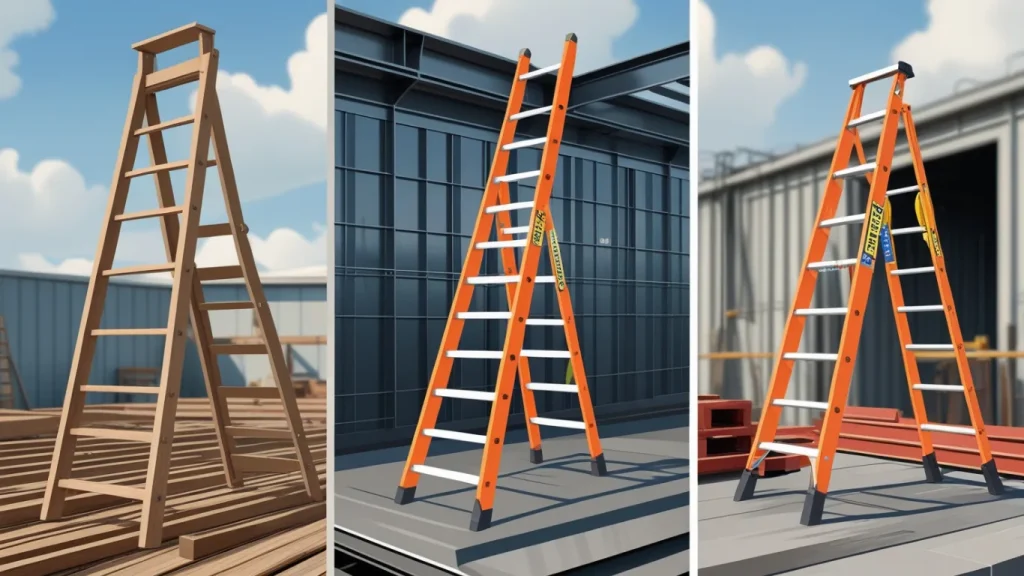
The use of ladders in occupational settings presents inherent risks that must be properly managed to ensure worker safety. Over time, the evolution of ladder safety regulations and standards has played a pivotal role in reducing injuries and fatalities associated with ladder use across various industries. This article provides a comprehensive overview of key developments in ladder safety protocols, guidelines, and compliance over recent decades.
Unlocking the Future of Manufacturing: How Advanced Robotics are Revolutionizing Industrial Workflows, Boosting Efficiency, Precision, and Innovation for Scalable, Sustainable Growth in Today’s Competitive Market.
Origins of Ladder Safety Standards
Ladders serve as one of the most ubiquitous and useful tools for accessing elevated work areas. But without proper safety precautions, they also pose dangers of falls, electrical hazards, collapse failures, and other incidents.
The first ladder safety standards emerged in the construction and manufacturing sectors, where extensive ladder use was commonplace. In the early 20th century, few uniform regulations existed, with most safety protocols left to the discretion of business owners and managers.
However, industrial growth and concerning injury trends prompted industry and government action. By the 1950s, standards organizations began publishing voluntary ladder safety codes, such as the National Safety Council’s Practices for Safety in the Use of Portable Wood Ladders. These early guidelines established rudimentary ladder selection, care, placement, climbing, and load-bearing protocols.
Meanwhile, the passage of the Occupational Safety and Health Act in 1970 marked a pivotal shift, signaling greater federal oversight and regulatory power over workplace safety. Soon after, OSHA published initial manufacturing and construction standards in 1971 and 1972, including requirements for portable, fixed, and mobile ladder safety. States also began enacting their own job safety laws over the same period.
OSHA Ladder Requirements and Rulemaking
As the regulator tasked with overseeing occupational ladder hazards, OSHA’s mandatory and enforceable standards have formed the backbone for most ladder safety protocols used today across US industries.
OSHA’s first ladder regulations were basic, focusing largely on structural safety factors. But the agency continued expanding and updating its codes over subsequent decades:
- 1990s – Published additional use, care, and training procedures for ladders around electrical work.
- 2000s – Set stringent testing and certification standards for new ladder products through ANSI partnerships.
- 2010s – Updated manufacturing facility codes with a full subsection dedicated to fixed ladder safety.
- 2018 – Began the lengthy process of publishing major updates to Walking-Working Surfaces standards for all industries. The final rule took effect in 2022.
OSHA’s latest ladder rulemaking specifically targets hazard exposure in construction, maritime, agriculture, and general industry sites. It includes revised or new mandates across several key areas:
ANSI Standards and Industry Guidelines
In addition to federal and state OSHA regulations, the leading source of consensus ladder safety codes in the US comes from the American National Standards Institute.
ANSI maintains regularly updated voluntary standards that both incorporate and exceed minimum legal requirements for ladder safety. Key examples include:
- ANSI A14.1 – Wood Safety Requirements
- ANSI A14.2 – Portable Metal Safety Requirements
- ANSI A14.3 – Fixed Ladder Safety Requirements
- ANSI A14.5 – Mobile Ladder Stands and Mobile Ladder Stand Platforms
The rigorous ANSI standards are developed through a consensus process between ladder makers, safety experts, and regulators. They provide scalable risk-based protocols applicable across industries using portable, mobile, or fixed climbing equipment. Compliance certifications are also available.
Many insurance carriers, contractor licensing boards, and facilities mandate adherence to ANSI specifications. Thus, they have become the de facto standards for manufacturers and users alike when selecting ladder types or implementing safety programs.
Both ANSI and OSHA codes also influence non-regulatory guidance published by groups like the National Ladder Safety Institute and the American Ladder Institute. Their voluntary training resources and safety best practices complement the baseline codes for a many workplace settings.
Safety Compliance Measures
Turning safety codes into tangible improvements relies on effective compliance measures tailored to the risks of specific worksites. Strategies can include:
Occupational Safety Evolution
- Following strict procurement procedures only allowing OSHA and ANSI-approved commercial ladder products.
- Expanding new and annual ladder safety training programs.
- Bolstering inspections via routine audits, checklists and reporting.
- Upgrading storage protocols to prevent damage and unauthorized use.
- Posting visible warning signage on or near ladder areas.
- Implementing clearance rules around electrical sources.
- Supplying personal fall protection equipment for working at height.
- Correcting identified hazards or removing problem ladder inventory.
- Tracking metrics like inspection rates, incident trends and audit findings to guide safety decisions.
Technology Integration
- While rigorous safety protocols remain paramount, emerging technologies also show promise for further reducing ladder dangers.
Industrial Ladder Safety Norms
- Smart IoT systems, tags and sensors for automating inspections and remote condition monitoring.
- Portable devices to assist with fast on-site regulatory compliance audits.
- Equipment alerts and analytics software integrating with existing inventory systems.
- Enhanced ladder components like anti-slip feet, descent control mechanisms, non-conductive side rails, and impact indicators.
- Virtual reality solutions for supplementary safety education.
- By combining comprehensive standards compliance with cutting-edge developments, both worker training and physical job site protection can be strengthened.
The Evolving Role of Safety Standards
Ladder designs, building practices, and occupational environments will continue advancing with technology and changing regulations. Thus, maintaining effective ladder safety also requires proactive, performance-based standards flexible enough to safeguard against emerging risks.
While prescriptive code mandates have been integral for ladder safety thus far, alternatives like ANSI leadership consensus protocols offer equally adaptable models for protecting future workforces. Continued coordination between regulators, manufacturers, and professional associations will remain vital for ensuring safety innovation keeps pace across all industries.
Conclusion
Regular updates to OSHA rules, ANSI specifications, and best practice guidance demonstrate how ladder safety has drastically improved through an ongoing evolution of standards over the decades. But regulations remain a baseline means, not an end solution. True workplace protection relies on instilling a culture of safety where hazard prevention is embraced as a shared responsibility between employers, manufacturers, and employees alike.
By treating ladder safety with the seriousness it warrants as a leading cause of fatal and non-fatal falls, and by leveraging compliance resources with new technologies, industries can continue driving down ladder-related accidents toward zero incidents.