
Ladders have been an indispensable tool for countless workplace tasks for centuries. Whether used to access high shelves, paint tall walls, or reach any elevated working area, ladders provide a simple and effective means of gaining height. However, traditional ladder designs have had their limitations when it comes to versatility, portability, stability, and user safety. Fortunately, advanced ladder technology has paved the way for innovative new ladder designs that are truly revolutionizing efficiency and safety for professionals across various industries.
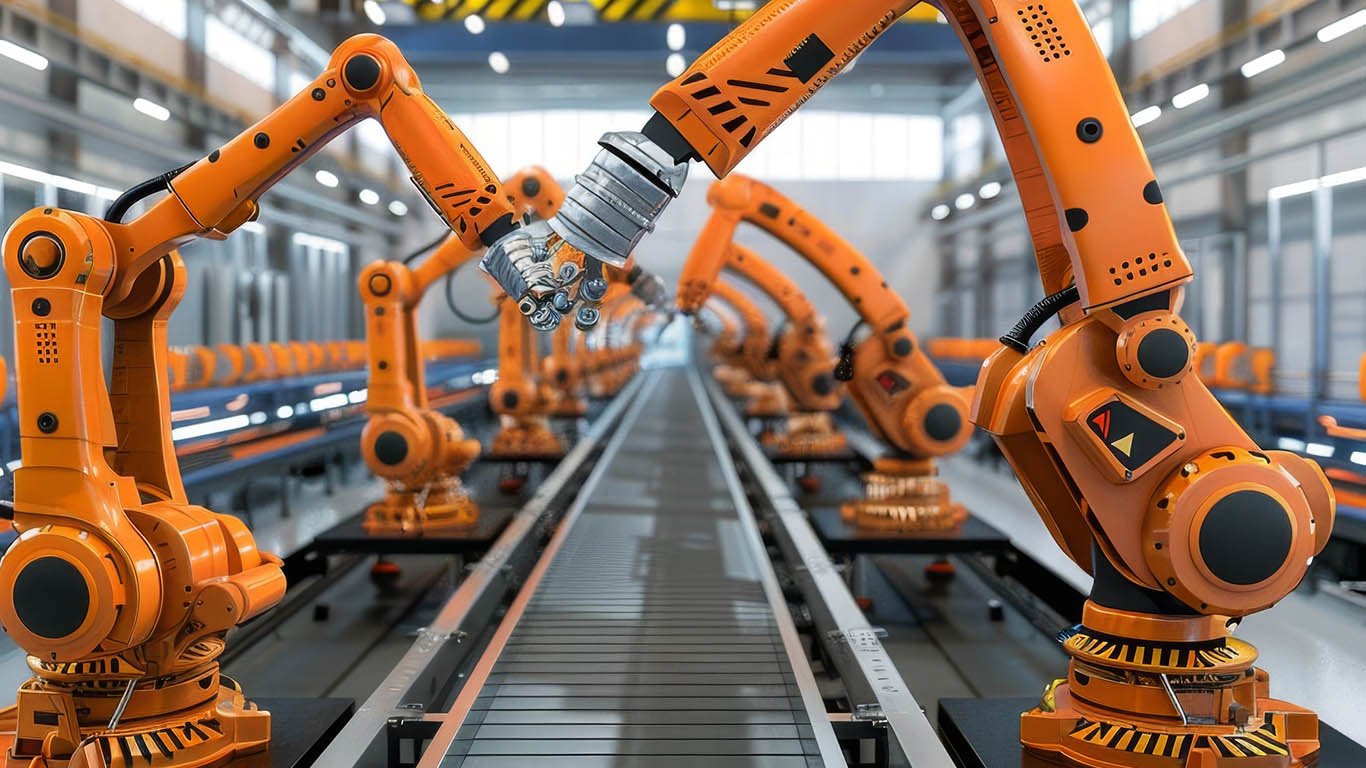
Unlocking the Future of Manufacturing: How Advanced Robotics are Revolutionizing Industrial Workflows, Boosting Efficiency, Precision, and Innovation for Scalable, Sustainable Growth in Today’s Competitive Market.
Modernizing a Time-Tested Tool
The basic design of leaning ladders has remained largely unchanged over the past several hundred years. While these conventional models have their utility, there are inherent flaws that affect functionality in today’s working environments. Standard ladders tend to be bulky and heavy, making repositioning them cumbersome and potentially hazardous. The risk of slips and falls is also ever-present when climbing up and down or working off of ladders.
By integrating fresh engineering concepts and state-of-the-art materials like aerospace-grade aluminum, the latest generation of ladders boasts unprecedented strength, stability, and ease of handling compared to their old-fashioned wooden and fiberglass predecessors. Outfitted with ergonomic features and intuitive designs tailored for unique applications, these innovative ladder solutions are setting new standards for supporting workers with improved mobility, safety, and access.
Reimagined Features for Heightened Security and Control
Safety-focused ladder innovations place a premium on stability with redesigned elements that provide users with enhanced security, traction, and maneuverability compared to conventional models. Four-section ladders engineered with advanced hinge systems to maintain alignment and prevent slippage are granting professionals the flexibility to tackle more tasks from a single, secured position. Non-slip rubberized rungs and reinforced railings supply dependable grip and reduce fatigue from repeated climbing. Retractable barbed rung tips and platform extensions allow these ladders to be stationed steadily on rough or uneven surfaces.
Other cutting-edge climbing tools like the Ladder Jack scaffolding brace eliminate the need for ladder repositioning against structures. After being secured around columns or poles up to 18 inches wide, the Ladder Jack’s sleeve design lets ladders slide vertically to desired heights while remaining safely anchored. This unique product prevents trip hazards from loose ladders and boosts workers’ output by erasing time wasted constantly relocating equipment.
Meanwhile, breakthrough base solutions enable next-gen workplace ladders to stand freely without wall contact. Compatible wheeled and lever-activated base attachments keep the ladder’s frame locked in place as users ascend, maximizing stability on floor surfaces. Companies specializing in these revolutionary ladder stabilization systems have engineered the bases to support 300-pound loads while resisting tipping. By adding these advanced ladder accessories, professionals can improve site safety and enable new task possibilities.
Game-Changing Ladder Mobility
Traditionally, moving ladders around job sites has been arduous and potentially perilous if improperly handled. Innovative ladder designs have tackled this challenge with fresh concepts aimed at optimizing transport. Now professionals can save significant time and energy with ladders equipped for easy one-person maneuvering across worksites.
Several top manufacturers offer specialty multi-purpose ladders with attached wheels operated via ergonomic pumping handle mechanisms. With these mobile ladders, users simply tilt and roll across floors without heavy lifting or awkward carrying positions. Other rolling ladder designs employ wheelsets with low-resistance bearings so one worker can effortlessly guide it into place. This ladder maneuverability vastly improves productivity compared to stationary models that require two-person repositioning.
Another revolutionary ladder providing exceptional portability for confined workspaces is the compact Shark Step ladder. Through an innovative folding design, this rugged aluminum ladder retracts into a fraction of traditional ladders’ size yet rapidly extends to full height. Employing stainless steel aircraft cables and custom-engineered hinges, Shark Step ladders contract from roughly 10 feet to just over 2 feet long while easily supporting 300-pound loads. For professionals needing secure ladder access through narrow corridors, lift shafts, machine rooms, and different levels, these lightweight folding ladders offer unprecedented utility.
Specialized Ladders Revolutionizing Industrial Applications
Beyond reimagined designs enhancing versatility and transport, several ultra-modern specialty ladders are proving indispensable for increasing efficiency in industrial settings such as warehouses, assembly lines, energy and aviation.
One prominent innovation in this category is elevated working platforms created to integrate with stock and flow rack structures prevalent in warehouses and retail centers. Major warehouse ladder companies now produce adjustable platforms that mount securely onto rack uprights and beam levels. After locking into place, these platforms act as a sturdy open surfaces for workers to stand and reach items stored on upper rack sections or mezzanines that were previously only accessible via lifts. The platforms’ open grated floor design also promotes airflow to prevent mold and moisture buildup compared to traditional rack shelving.
For aviation maintenance crews, the revolutionary Bully Universal Technician Ladder brings unprecedented functions custom-made for servicing aircraft. Designed by mechanics, this modular 24-foot ladder transforms into four different configurations to access all exterior and interior aircraft sections. A rotational bumper ring enables smooth 360-degree mobility around planes. Non-slip padded platforms and grip struts allow stable standing and tool handling when working on wings or fuselage. An optional motorized wheel kit aids one-person positioning under aircraft’s bellies. Before the Bully ladder’s debut, separate specialized ladders were needed for different repair tasks, dragging productivity with constant ladder adjustments. This aviation ladder innovation alone has slashed aircraft service times by over 30 percent since deployment.
Streamlining Power Line and Telecom Operations
Working safely off the ground around electrical infrastructure demands precision ladder engineering. Meeting this challenge are revolutionary products like the BullDog Aerial Ladder, which empowers utility and telecom crews to operate efficiently near transmission towers and poles by combining ladder stability with adept mobility. Constructed from fiberglass for insulation when working amid energized power lines, Bulldog ladders employ a three-point self-leveling system atop non-conductive composite legs with rubberized stab points that dig into the soil to prevent sinking or slipping. Once anchored, the ladder’s platform can telescope up to 17 feet high while remaining parallel to the ground, enabling optimal overhead access.
Workers in this field are also benefitting enormously from all-aluminum ladders built with an array of mounting adapters tailored for power and telecom poles. Hooker ladder brackets designed for rapid clipping onto round or rectangular poles are a prime example, allowing crews more flexibility when positioning equipment. Ladders fitted with these specialized brackets save workers from strap-binding them pole to pole and reduce fall risks. Other versions like Salisbury’s steel-reinforced rung clamps provide additional stability for extended reaches on transmission towers. When incorporated with proper fall restraints, these revolutionary mounting systems grant crews reliable anchoring for tower climbing and conducting live-line repairs more safely.
Enhancing Productivity Across Applications
Modern ladder engineering has progressed leaps beyond traditional materials and designs to deliver advanced specialty ladders with groundbreaking mobility, customization, and worker support. The innovative multi-purpose, aircraft and power line ladders improving efficiency and safety in aviation, utilities, and other transport sectors represent only a fraction of cutting-edge ladder solutions now revolutionizing industries.
Additional applications experiencing transformative benefits from next-gen climbing tools include construction, mining, marine transport, oil and gas, military, warehousing, agribusiness, and more. Across this spectrum, strategic ladder customization such as scaling equipment to application needs, incorporating grip-friendly features, or designing attachments for unique structures and equipment is proving invaluable for supporting workers through an array of environments and challenges.
The ladder production powerhouses leading this wave of innovation have also capitalized on 21st-century manufacturing techniques like precision laser and robotic cutting for mass-producing versatile specialty ladders with consistency. These technologies enable repeatable construction aligned with strict safety testing standards before finished ladders ship out. The resulting high-caliber modern ladder engineering is amplifying productivity, compliance, and worker welfare across sectors where elevated access remains pivotal daily.
With advanced materials, computer-aided design, and ergonomic understandings guiding development, the next generation of climbing tools is clearly ascending past dated counterparts in function, handling and safety. Ladder innovation has entered a bold new era of possibility, and industries of all types stand to benefit substantially as these revolutionary systems rapidly enhance nearly every workplace where reaching new heights is the first step to success.
Conclusion
The innovations in ladder technology and design over recent years demonstrate the tremendous value of creative engineering targeted at improving specialist equipment that has changed little over decades or centuries. While typical ladders have their place across many basic applications, strategic modernization of features, materials and mobility are ushering in revolutionary models purpose-built to streamline efficiency and safety while working at heights.
Advanced multi-function ladders along with specialty platforms made for industrial settings showcase how next-gen climbing tools can provide unmatched worker support, maneuverability, and stability compared to tradition. Likewise, the integration of smart accessories such as smoother-rolling casters or ladder stabilization arms grants professionals added versatility for tackling more ambitious elevated tasks without repositioning equipment as frequently.
Ultimately, the 21st-century ladder revolution is making work involving heights more productive and secure. Continued innovation promises to further optimize specialized trade ladder equipment as well as models for everyday home or office use. With safer and smarter designs that simplify transport, setup, and accessibility, next-generation ladders are reaching new heights in every sense of the modern working world.