
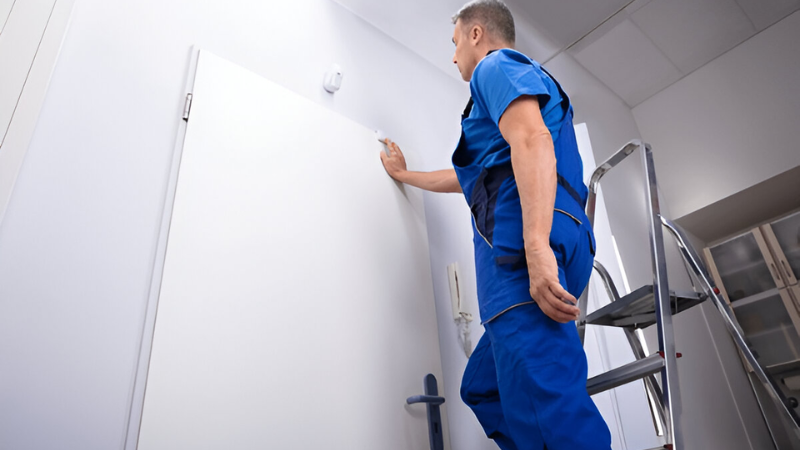
Steel step ladders offer sturdy support for everyday tasks. They stand strong in homes and workplaces. But safety must come first. Mishaps on ladders lead to serious injuries. This post dives into top tips for safe use. Learn how to avoid common pitfalls and make the most of these reliable tools.
Everyone reaches for heights at some point. Painting walls, cleaning gutters, or fixing lights calls for a boost. A steel step ladder provides that extra reach with strength and stability. Unlike flimsy options, they handle weight and wear. Yet, without proper habits, risks rise. Falls account for countless emergency visits each year. Smart practices change that.
The Strength of Steel Step Ladders
Steel step ladders shine in tough conditions. Their metal build resists bends and breaks. Ideal for heavy-duty jobs, they support more than lighter materials. Users feel secure on wide, grippy steps. Portability adds appeal – fold them up and store them away.
Durability means long-term value. Steel holds up against knocks and drops. Coated finishes fight rust, even in damp spots. For pros or homeowners, these ladders deliver reliability. Choose wisely, and tasks get done without worry.
Key Reasons to Prioritise Ladder Safety
Accidents happen quickly. A slip or tip-over causes harm. Steel step ladders reduce some risks, but user error plays a big role. Overloading or poor balance invites trouble. Safety guidelines cut these dangers down.
Think about the aftermath. Injuries disrupt life and work. Hospital stays cost time and money. Prevention beats cure every time. Follow best practices, and confidence grows. Climb higher, achieve more.
Standards from experts guide the way. Groups like OSHA outline rules for safe use. Even at home, these tips apply. Build good habits early.
Selecting the Perfect Steel Step Ladder
Size matters most. Steel step ladders vary from 4 feet to 12 feet or more. Match height to the job. Too low forces unsafe stretches. Too high wobbles on uneven ground.
Weight capacity counts too. Check labels for ratings. Extra heavy-duty models hold 375 pounds. Great for tools and materials. Features like tool trays add convenience.
Look for safety extras. Rubber feet prevent slides. Reinforced joints lock firmly. Comfortable handrails aid climbs. Quality builds trust.
Ease of movement helps. Steel step ladders weigh more than aluminium, but wheels on some models simplify transport. Pick what fits daily needs.
Pre-Use Inspection: A Must-Do Step
Before stepping up, scan for issues. Steel step ladders endure a lot, but damage sneaks in. Check rails for dents or cracks. Loose bolts? Tighten them.
Test spreading mechanisms. Hinges should snap securely. Worn parts lead to collapses. Replace if needed.
Steps demand attention. Wipe off grease or debris. Non-skid surfaces wear over time. Fresh treads restore grip.
Read warnings on the ladder. Limits and instructions keep users informed. Routine checks spot problems early.
Proper Setup for Stability
Location sets the foundation. Place steel step ladders on flat, dry surfaces. Avoid loose rugs or gravel. Level ground stops shifts.
Fully extend the legs. Locks engage with a click. Half-open setups spell disaster. Confirm stability by gentle shakes.
Keep surroundings clear. Move obstacles away. No tripping hazards below. Face the work area directly.
Outdoors, watch for wind or rain. Secure the base if breezy. Steel step ladders handle weather, but extra care prevents slips.
Safe Climbing Habits
Maintain contact. Use both hands on the rails, one foot moving at a time. This rule saves balance.
Ascend facing forward. Grip firm. Steel provides solid holds, but hurry causes mistakes.
Stay centred. Weight shifts tip ladders. No side leans.
Skip the top rung. Most steel step ladders mark it off-limits. Lower steps offer a safer stance.
Effective Work Strategies on Ladders
Keep your hands free. Pouches hold tools. Dropping items risks injury below.
Reposition often. Overreaching pulls off-balance. Steel step ladders move quickly – use that.
Limit time aloft. Tired muscles falter. Breaks refresh focus.
Team up for big jobs. Spotters watch for wobbles. Communication boosts safety.
Avoiding Frequent Errors
Speed kills caution. Rushed inspections miss flaws. Take moments to prepare.
Exceed limits? Bad idea. Steel step ladders have caps for a reason. Extra weight buckles frames.
Climb on damaged gear. Ignored bends worsen. Fix or retire old units.
Top-step standing tempts fate. Extra inches aren’t worth the fall. Move closer instead.
Keeping Steel Step Ladders in Top Shape
Clean regularly. Dust and spills build up. Mild soap wipes steel clean.
Store smart. Upright in dry areas. Avoid stacking heavy items on top.
Oil moving parts. Smooth hinges last longer. Rust-free operation ensures the locks work.
Swap out treads. Worn rubber loses traction. Simple upgrades renew safety.
Essential Protective Equipment
Headgear shields from bumps. Hard hats absorb impacts.
Footwear grips best. Rubber soles on steel steps prevent slides.
Hand protection helps. Gloves enhance rail holds in slick conditions.
For heights over 6 feet, consider harnesses. Clips are secured to stable points. Pros swear by them.
Home Applications for Steel Step Ladders
Decorating demands reach. Steel step ladders steady painters on ceilings.
Shelf access in closets. Quick setups make storage simple.
Window washing outside. Firm bases handle lawns.
Family safety first. Lock away when not in use. Teach rules to all.
Professional Uses on Sites
Builders rely on strength. Steel step ladders support gear in construction.
Mechanics reach engines. Stable platforms aid repairs.
Warehouses stack high. Durable builds endure daily demands.
Supervisors enforce protocols. Regular drills cut risks.
Conclusion
Steel step ladders are reliable tools that make many tasks easier. But without safety, they can turn into hazards. By choosing the right ladder, inspecting it before use, setting it up correctly, climbing with care, and maintaining it well, accidents can be prevented. Safety is not just about following rules; it is about building habits that protect everyone.
For durable, well-designed, and safe ladders, trusted solutions are offered by Allfold, a name that values both quality and safety.